Let’s be honest, the internet can be a bit of a wild west sometimes. One minute you’re browsing your favorite coffee shop’s Wi-Fi, the next you’re wondering if that sketchy-looking free network just snagged your credit card details. I’ve been there, and it’s not a fun feeling. That’s why I put together this ultimate VPN guide. After years of testing, tweaking, and even getting a little paranoid about my online privacy, I’ve learned a thing or two about what makes a good VPN, and I’m here to share it all with you. Think of this as your personal roadmap to a safer, more open internet. For more information, see our guide on Best VPNs for Streaming in 2026: The Definitive Gu. For more information, see our guide on VPN Privacy Policies Compared: Who Truly Keeps No .
Table of Contents
- What is a VPN, Anyway?
- How Does a VPN Work? The Magic Explained
- Why You Genuinely Need a VPN in 2026
- Choosing the Best VPN: A No-Nonsense Guide
- VPN Protocols: OpenVPN vs. WireGuard vs. IKEv2
- The Ultimate VPN for Streaming: Unblock Anything
- Is Torrenting with a VPN Actually Safe?
- Frequently Asked Questions (FAQ)
What is a VPN, Anyway?
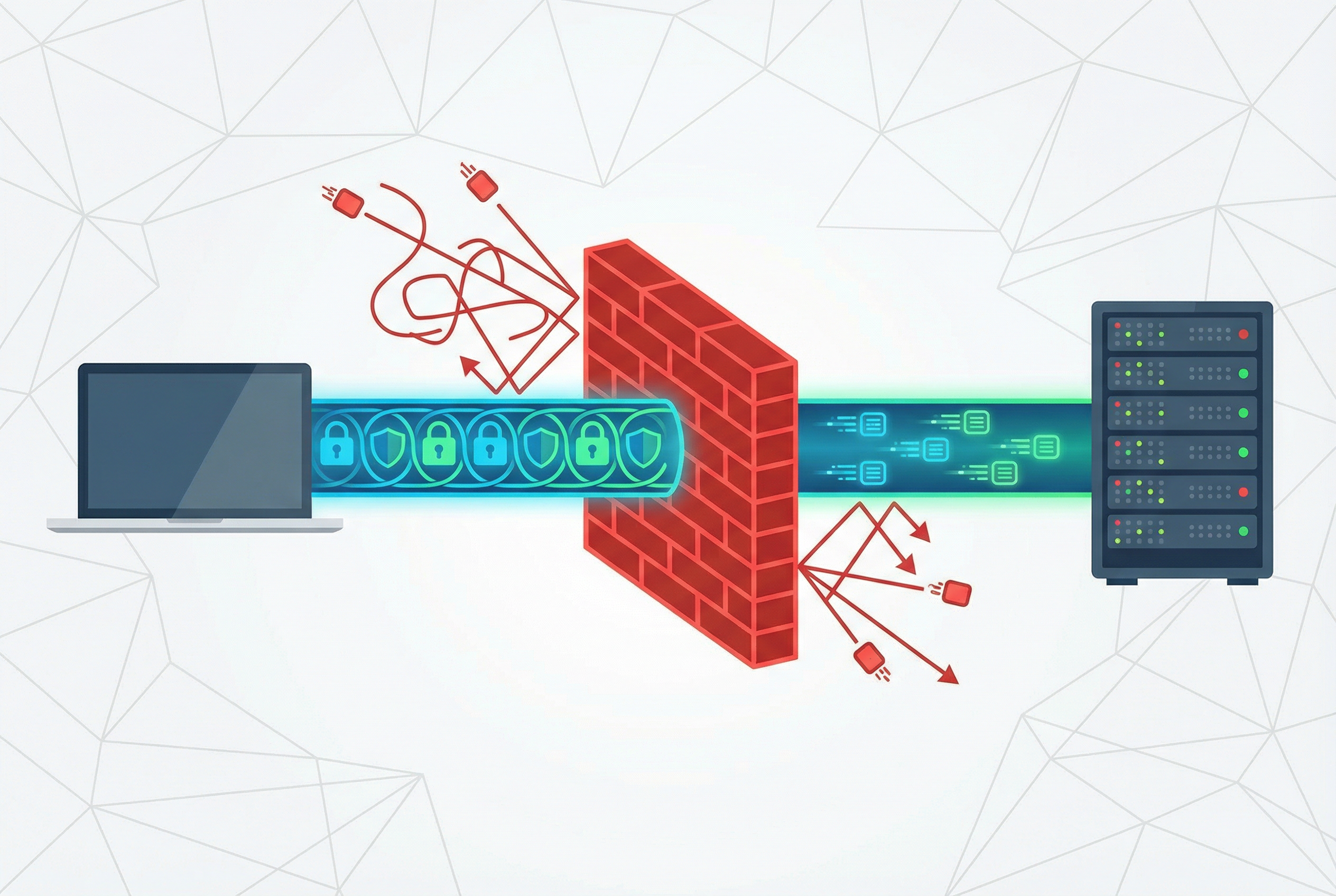
So, what is a VPN? Imagine you’re sending a postcard. Anyone who handles it can read your message. That’s what browsing the internet without a VPN is like. Your Internet Service Provider (ISP), the government, and any snoops on the network can see what you’re doing. A VPN, or Virtual Private Network, is like putting that postcard in a sealed, windowless envelope. It creates a secure, encrypted tunnel between your device and the internet. When I first started using a VPN, I was amazed at how simple it was to use, yet how powerful it was in protecting my privacy. This VPN guide is here to demystify the tech and show you how to use it to your advantage.
How Does a VPN Work? The Magic Explained
Here’s the thing: it’s not actually magic, but it’s close. When you connect to a VPN, your device’s internet traffic is routed through a server operated by the VPN provider. This does two key things. First, it encrypts your data, scrambling it so that no one can read it. Second, it masks your IP address, which is like your home address on the internet. Instead of your own IP, websites and online services see the IP address of the VPN server. I remember the first time I checked my IP address with my VPN on – I was suddenly “in” another country! It’s a simple but effective way to stay anonymous online. We’ll get into the nitty-gritty of how this works later in this VPN guide, but for now, just know that it’s your best defense against online tracking.

Why You Genuinely Need a VPN in 2026
Look, I get it. A VPN might seem like something only tech geeks or hackers need. But honestly, in 2026, a VPN is as essential as a good antivirus. Here are a few reasons why:
Protect Your Privacy from Your ISP
Your ISP can see every website you visit. In some countries, they’re even required to keep logs of your activity. A VPN stops this cold. With your traffic encrypted, your ISP can see that you’re using a VPN, but not what you’re doing online.
Secure Your Connection on Public Wi-Fi
Public Wi-Fi is a hacker’s playground. Without a VPN, it’s shockingly easy for someone on the same network to intercept your data. I once ran a little experiment on a public network (with permission, of course!) and was horrified at how much I could see. A VPN encrypts your connection, making it unreadable to anyone else on the network.
Access Geo-Restricted Content
Ever been hit with that frustrating “This content is not available in your country” message? A VPN can help you bypass these restrictions by making it look like you’re browsing from a different country. It’s perfect for streaming your favorite shows when you’re traveling abroad.
Stay Safe While Torrenting
While I don’t condone piracy, many people use torrents for legitimate reasons. A VPN is crucial for torrenting because it hides your IP address from other users in the torrent swarm, protecting you from potential legal and security risks.
Choosing the Best VPN: A No-Nonsense VPN guide
Alright, so you’re convinced you need a VPN. But with hundreds of options out there, how do you choose the best VPN for you? It can be overwhelming, I know. I’ve tested dozens of VPNs over the years, and I’ve found that the best way to choose is to focus on a few key factors. Here’s what I look for:
Security and Privacy Features
This is the most important factor. A good VPN should have strong encryption (AES-256 is the standard), a strict no-logs policy (meaning they don’t track or store your activity), and a kill switch (which disconnects you from the internet if your VPN connection drops). Don’t even consider a VPN that doesn’t have these features.
Speed and Performance
A VPN will always slow down your internet connection a little, but it shouldn’t be a noticeable drag. Look for a VPN with a large server network and modern protocols like WireGuard, which are designed for speed. I always run speed tests before committing to a VPN, and you should too.
Server Network
The more servers a VPN has, the better. A large server network means you’re more likely to find a fast, uncongested server near you. It also gives you more options for bypassing geo-restrictions. I’m a big fan of VPNs with servers in a wide range of countries.
Ease of Use
A VPN should be easy to install and use, even for beginners. Look for a VPN with a user-friendly app for your devices. I’ve found that the best VPNs have simple, intuitive interfaces that make it easy to connect to a server and customize your settings. This is a key part of any good VPN for beginners guide.
VPN Protocols: OpenVPN vs. WireGuard vs. IKEv2
When you’re digging into any VPN guide, you’ll inevitably come across the term “protocol.” Think of a protocol as the set of rules that govern how the VPN creates its secure tunnel. Honestly, this can get pretty technical, but there are a few key players you should know about. When I first started, I just stuck with the default, but understanding the differences can really improve your experience.
OpenVPN: The Old Faithful
OpenVPN has been the industry standard for years, and for good reason. It’s open-source, which means its code has been scrutinized by security experts worldwide. It’s incredibly stable and offers a great balance of security and speed. You really can’t go wrong with OpenVPN, and it’s still my go-to for tasks where security is my absolute top priority.
WireGuard: The New Kid on the Block
WireGuard is a newer protocol that has taken the VPN world by storm. Its main advantage is speed. It has a much smaller codebase than OpenVPN, which makes it faster and easier to audit. I’ve found that my connection speeds are consistently faster when I’m using WireGuard, especially on mobile devices. It’s quickly becoming the new standard, and for most people, it’s the best choice for everyday use.
IKEv2/IPsec: The Mobile Master
IKEv2/IPsec is another solid protocol, especially for mobile users. It’s known for its stability and its ability to automatically reconnect if your connection drops. If you’re someone who switches between Wi-Fi and cellular data a lot, IKEv2 is a great option. It’s not quite as fast as WireGuard, but it’s still a top contender.
The Ultimate VPN for Streaming: Unblock Anything
Let’s be real, one of the biggest reasons people use a VPN is for streaming. I’ve spent countless hours testing different VPNs with various streaming services, and I can tell you that not all VPNs are created equal. The best VPN for streaming needs to have a few key things: a large server network, fast speeds, and the ability to consistently bypass geo-blocks. I’ve had the best luck with providers that offer dedicated streaming servers, which are optimized for this purpose. For more tips, you can check out our Streaming VPN Guide 2026.
Is Torrenting with a VPN Actually Safe?
This is a question I get a lot. And the short answer is yes, but only if you use the right VPN. When you’re torrenting, your IP address is visible to everyone else in the torrent swarm. This can expose you to all sorts of risks, from copyright trolls to malicious actors. A good VPN for torrenting will have a strict no-logs policy, a kill switch, and servers that are optimized for P2P traffic. I’ve found that some VPNs are much better for torrenting than others, so it’s important to do your research. If you’re serious about torrenting safely, I highly recommend checking out our guide on how to choose a VPN for torrenting.
VPN Protocol Comparison
Choosing the right protocol can feel like a chore, but it makes a difference. I’ve spent a lot of time switching between them to see how they perform in the real world. Here’s a quick breakdown to help you decide which one to use. Honestly, for most people, WireGuard is the way to go these days, but OpenVPN is still a rock-solid choice.
| Feature | OpenVPN | WireGuard | IKEv2/IPsec |
|---|---|---|---|
| Speed | Good, but can be slower than newer protocols. | Excellent, often the fastest option available. | Very good, especially on mobile devices. |
| Security | Excellent, highly configurable and well-audited. | Excellent, uses modern cryptography. | Very good, considered highly secure. |
| Stability | Very stable and reliable. | Generally stable, but can have issues on some networks. | Excellent, great at handling network changes. |
| Best For | Maximum security and configurability. | Speed, streaming, and everyday use. | Mobile users who frequently switch networks. |
Top VPN Provider Feature Comparison
Okay, let’s talk about the big names. I’ve used all of these extensively, and they’re all top-tier choices. The “best” one really depends on your specific needs and budget. This table gives you a quick glance at how they stack up. For a more detailed look, you might want to read our NordVPN vs ExpressVPN comparison.
| Provider | No-Logs Policy | Kill Switch | Server Count | Approx. Monthly Price |
|---|---|---|---|---|
| NordVPN | Yes (Audited) | Yes | 5,500+ in 60 countries | ~$12 |
| ExpressVPN | Yes (Audited) | Yes | 3,000+ in 94 countries | ~$13 |
| Surfshark | Yes (Audited) | Yes | 3,200+ in 100 countries | ~$13 |
| CyberGhost | Yes (Audited) | Yes | 9,000+ in 91 countries | ~$13 |

Frequently Asked Questions (FAQ)
I get asked a lot of questions about VPNs, so I’ve compiled some of the most common ones here. If you have a question that isn’t answered here, feel free to reach out!
Will a VPN make me completely anonymous?
Not completely. While a VPN is a powerful privacy tool, it’s not a magic bullet. Your online activity can still be traced in other ways, such as through browser cookies or by logging into online accounts. For true anonymity, you’d need to use a tool like Tor in addition to a VPN. For more on this, see our Ultimate Privacy Tools Guide.
Can I use a free VPN?
You can, but I strongly advise against it. Free VPNs have to make money somehow, and they often do so by selling your data, showing you ads, or having major security flaws. When it comes to your privacy, a paid VPN is always worth the small investment. We have an article that goes into more detail on the risks of free VPNs.
Is using a VPN legal?
In most countries, yes, using a VPN is perfectly legal. However, some countries with strict internet censorship laws have banned or restricted VPN use. It’s always a good idea to check the laws in your country before using a VPN.
Will a VPN slow down my internet?
Yes, a VPN will always have some impact on your internet speed, since your traffic is being routed through an extra server. However, with a good VPN, the slowdown should be minimal and not noticeable for most activities. I’ve found that the benefits of a VPN far outweigh the small speed decrease.
Can I use a VPN on all my devices?
Most VPN providers offer apps for all major platforms, including Windows, macOS, Android, iOS, and Linux. Some even offer browser extensions and router configurations, allowing you to protect all the devices on your network. I have a VPN running on my router, which is a great set-it-and-forget-it solution.
What’s the difference between a VPN and a proxy?
A proxy server simply routes your traffic through another server, but it doesn’t encrypt it. A VPN, on the other hand, encrypts your traffic, providing a much higher level of security and privacy. I almost never recommend using a proxy for anything sensitive.
How do I know if my VPN is working?
A simple way to check is to go to a website that shows your IP address before and after connecting to the VPN. If the IP address changes, your VPN is working. Most VPN apps also have a clear indicator to show you when you’re connected.
Can my employer see if I’m using a VPN on a work computer?
If you’re using a company-owned computer, your employer may have monitoring software installed that can see what you’re doing, even with a VPN. It’s always best to assume that your activity on a work computer is not private.
References
- What is a VPN and Why You Should Use One – Electronic Frontier Foundation
- How to Protect Your Privacy Online – Federal Trade Commission
- Virtual Private Network (VPN) Security – Cybersecurity & Infrastructure Security Agency
How to Set Up a VPN: A Beginner’s Guide
Getting started with a VPN is surprisingly easy. I remember being a little intimidated the first time, but honestly, it’s a breeze. Here’s a step-by-step guide to get you up and running in minutes. This is a crucial part of any VPN for beginners guide.
Step 1: Choose a VPN Provider
First things first, you need to pick a VPN provider. We’ve already discussed what to look for, so refer back to that section if you need a refresher. Once you’ve made your choice, go to their website and sign up for a plan. I recommend starting with a longer-term plan, as they usually offer the best value.
Step 2: Download and Install the App
Next, download the VPN app for your device. All the top providers have apps for Windows, macOS, Android, and iOS. The installation process is just like any other app – just follow the on-screen instructions. I’ve found that most VPN apps are very lightweight and won’t slow down your device.
Step 3: Log In and Connect
Once the app is installed, open it and log in with the credentials you created when you signed up. You’ll then be presented with a list of servers to choose from. You can either pick a specific country or let the app choose the fastest server for you. I usually let the app pick for me unless I need to bypass a specific geo-restriction.
Step 4: Customize Your Settings
Before you start browsing, it’s a good idea to take a look at the app’s settings. Make sure the kill switch is enabled, and choose the protocol you want to use. I usually stick with WireGuard for the best speeds, but OpenVPN is a great choice if you prioritize security above all else. You can also set the VPN to launch automatically when you start your device, which is a feature I love.
Advanced VPN Features You Should Know About
Once you get comfortable with the basics, you might want to explore some of the more advanced features that many top VPNs offer. These can provide an extra layer of security and control over your connection. When I first started, I didn’t bother with these, but now I can’t imagine using a VPN without them. This is the kind of stuff that separates a basic service from the best VPN providers.
Split Tunneling
This is one of my favorite features. Split tunneling lets you choose which apps use the VPN and which ones connect to the internet directly. For example, you could route your torrent client through the VPN for security while keeping your online gaming on your regular connection to minimize lag. It’s incredibly useful for optimizing your connection without having to constantly turn the VPN on and off.
Multi-Hop (or Double VPN)
For the truly paranoid among us (and I say that with affection!), multi-hop is a fantastic feature. It routes your traffic through two different VPN servers instead of just one, adding an extra layer of encryption. This makes it even more difficult for anyone to trace your activity back to you. The downside is that it can slow down your connection more than a standard VPN connection, so I only use it when I’m handling really sensitive information.
Dedicated IP
When you use a regular VPN, you share an IP address with other users on the same server. This is great for anonymity, but it can sometimes cause problems with websites that are sensitive to shared IPs (like banking sites). A dedicated IP is an IP address that’s assigned only to you. It can help you avoid blacklists and CAPTCHAs, but it does reduce your anonymity slightly, so it’s a trade-off.
Ad and Malware Blocking
Many VPNs now come with built-in ad and malware blockers. This can be a great way to improve your browsing experience and protect yourself from malicious websites. I’ve found that these features are surprisingly effective, and they can be a great supplement to a good antivirus program. It’s another reason why a VPN is a cornerstone of a good online security setup.
Your Journey to a Safer Internet Starts Now
Look, I know we’ve covered a lot in this VPN guide. From the basics of what is a VPN to the nitty-gritty of protocols and advanced features, it can seem like a lot to take in. But here’s the thing: you don’t need to be a tech genius to use a VPN. At the end of the day, it’s a simple tool that can make a huge difference in your online privacy and security. I’ve been using a VPN for years, and I can’t imagine going online without one. It’s given me peace of mind, whether I’m working from a coffee shop, traveling abroad, or just browsing from my couch.
My hope is that this guide has demystified the world of VPNs for you and given you the confidence to take control of your digital life. The internet is an amazing tool, but it’s up to us to use it safely and responsibly. So, take the plunge, choose a VPN that’s right for you, and start your journey to a safer, more open internet today. You won’t regret it.